
Maintaining good health in all things is important, but difficult. A decade ago I managed to put down tobacco for the last time, yet I still smoke as my primary way to use cannabis. I am starting to feel the long term effects on my lungs. I believe in the therapeutic value that cannabis provides me, but the dangers of smoking it are becoming evident. I have moved to dry-herb vaporizing as a way to reduce the amount of carbon coming into my system, and have found that marijuana takes on a whole new taste and feel when varying temperatures are applied. There certainly are some benefits to breaking bad habits…
Read More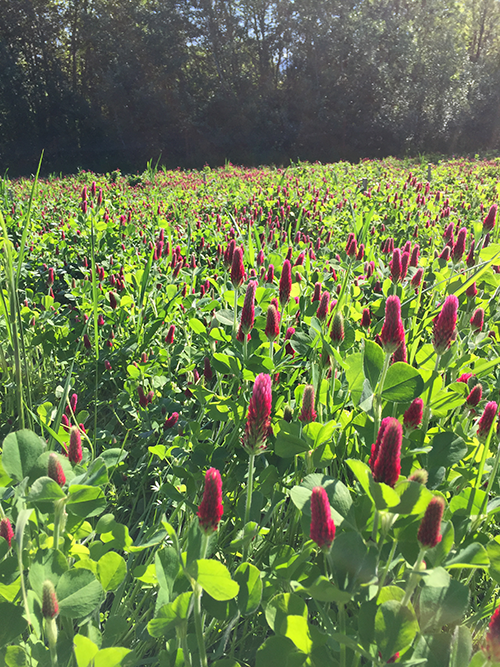
It can be hard to manage a cover crop for a no-till system. Briceland Forest Farm shows how they use a low cost crimping method plus mulching to kill and smother a cover crop so it can breakdown and become part of the soil without tilling. Reducing tillage events can help increase mycorhizzal associations with plant roots and increase populations of soil microbes.
Read More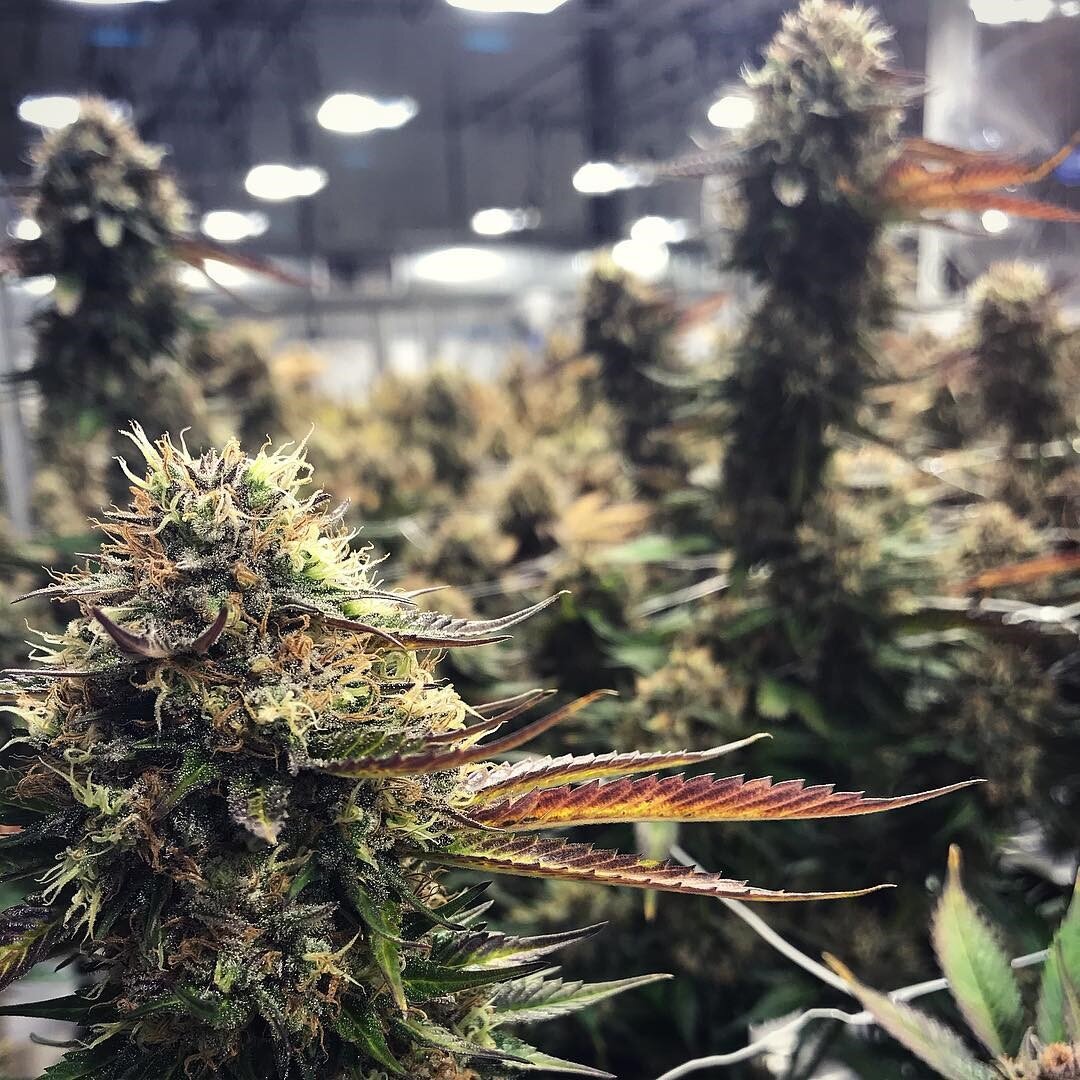
Take a look inside one of Oregon’s most successful farms. Cannacribs gives us the VIP tour. Get some tips from Derek Rayhorn and James Orpeza with a cameo shot of Clackamas Coot…
Read More
Crimson clover is an excellent source of natural plant available nitrogen. Here is a basic video about using crimson clover to get more nitrogen and organic matter into your soils. This is an excellent way to cut costs on fertility materials while providing habitat for soil microorganisms and creating the conditions for a high-quality living soil.
Read More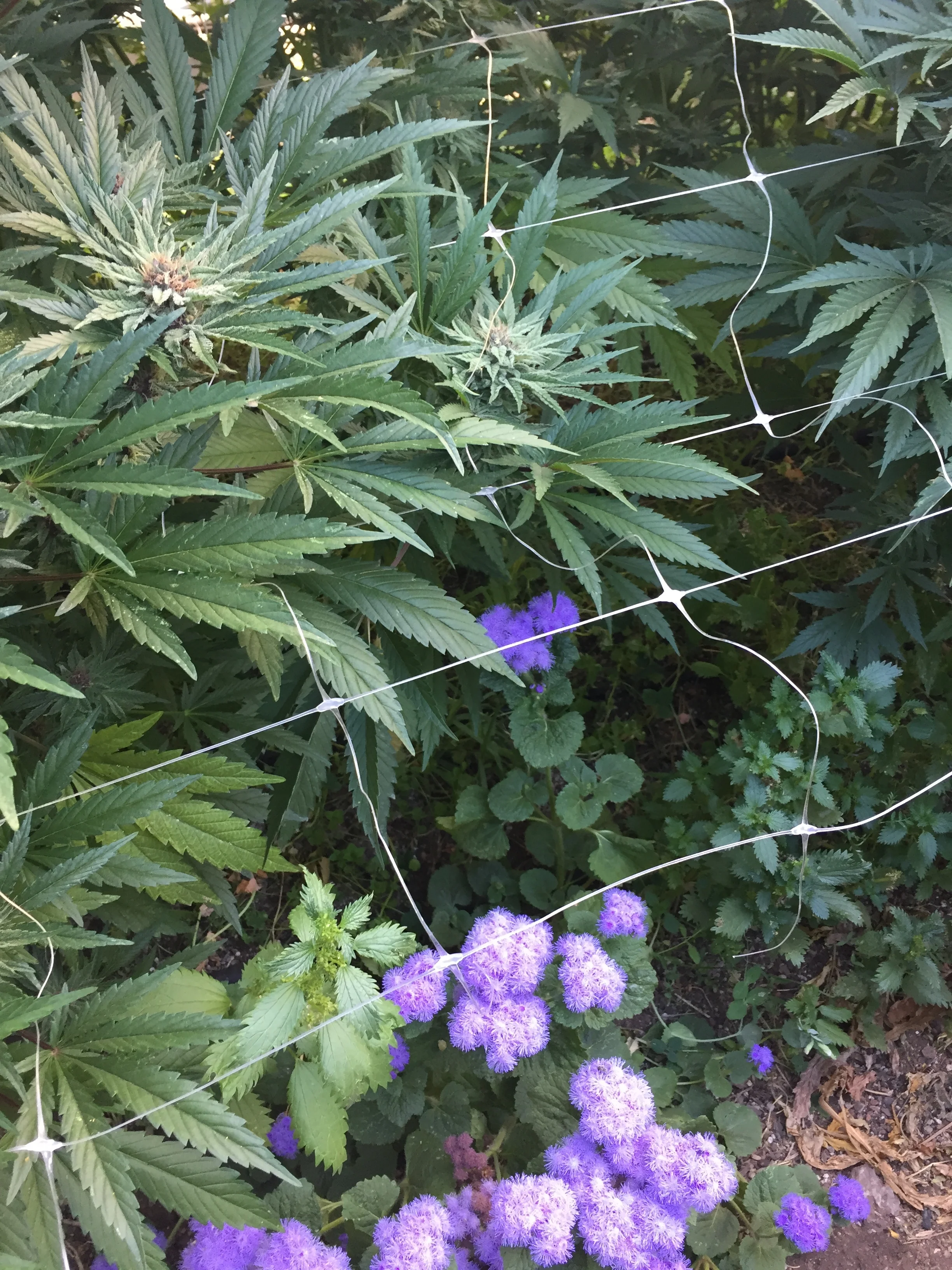
In an effort to help the cannabis homestead farms that grow under the sun using the most sustainable, organic, regenerative farming practices possible, Certified Kind and The Cannabis Conservancy have worked together to create the Sun+Earth Certified program. This is a non-profit project designed to promote sungrown, ultra-sustainable cannabis production. Sun+Earth Certified is for outdoor farms that make almost all their own fertility inputs with on-farm resources. You can read these standards here, and make public comments until Oct. 1, 2018.
Read More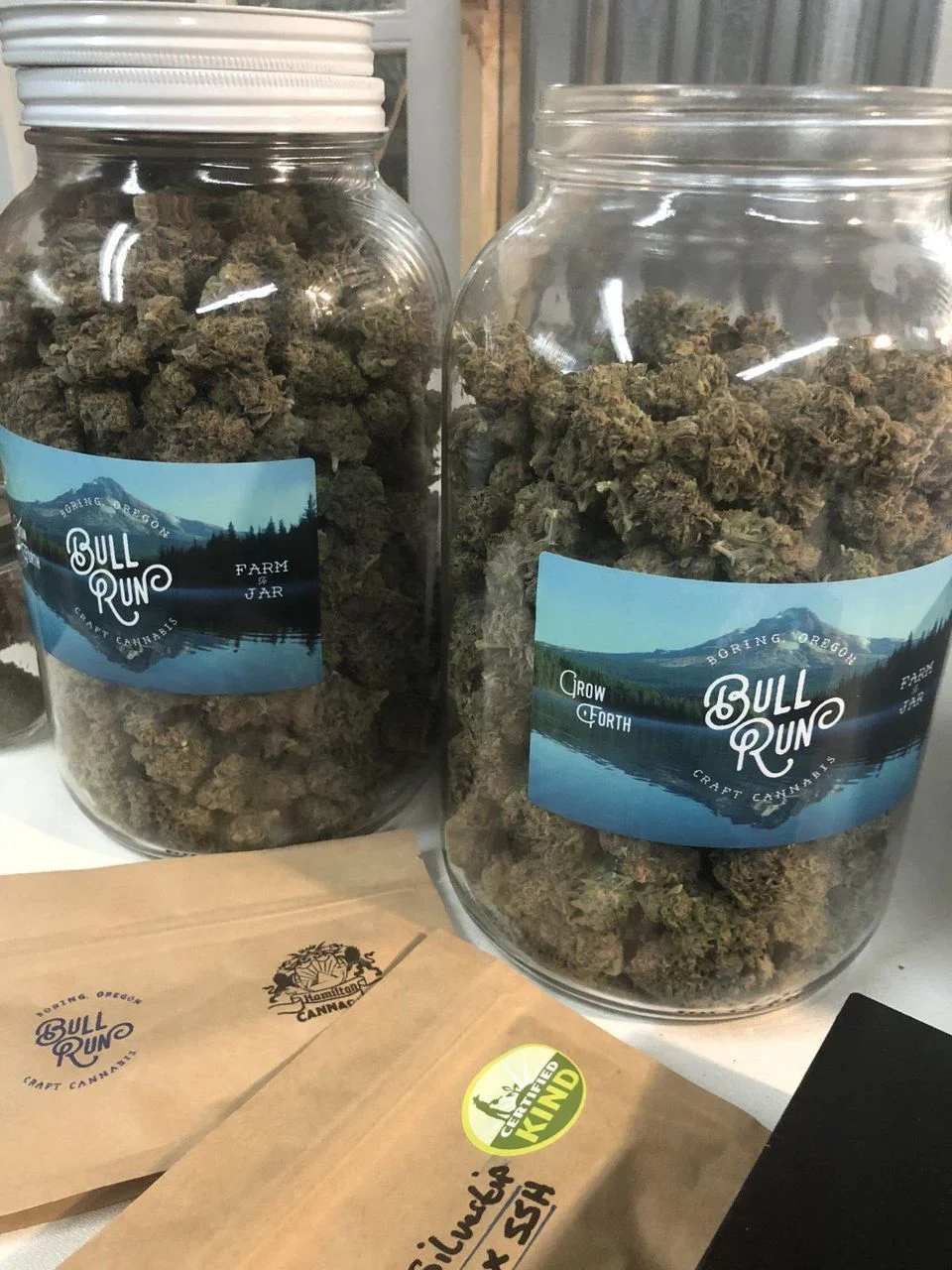
Read MoreIf the words, Farm to Jar mean something to you, then you'll know that corporate weed is far from your go/to for pleasure, medication and relaxation. And, if the quality statement, Certified Kind and the term Farm to Jar are unknown to you, then perhaps a short coast-to-coast flight from here to Oregon will enlighten your mind and your sensibilities.
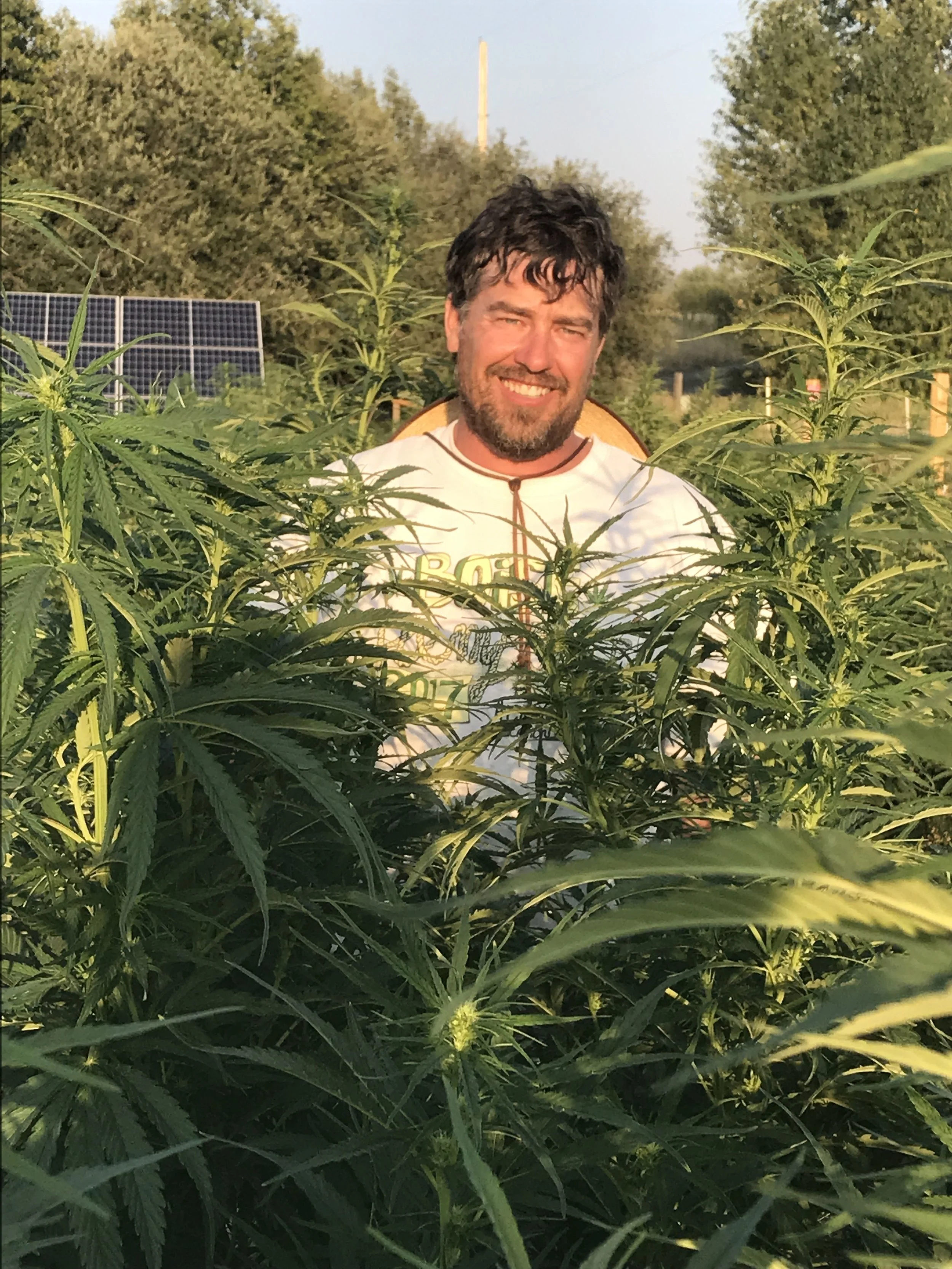
Kimball Farms is leading the charge in eastern Oregon high elevation industrial hemp production using Certified Kind sustainable farming methods.
Read MoreThe predominant diseases in medical and/or adult use cannabis crops are powdery mildew and grey mold (botrytis). These diseases are also easy to identify. There are other diseases to be aware of...
Read MoreHave you purchased predator mite sachets but are wondering how well they're working?
This video from Greenhouse Canada shows you how to do a quality assurance test.
Read More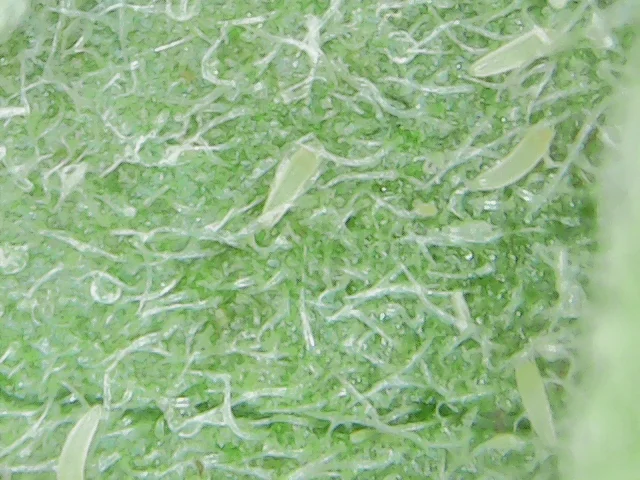
Do you know how to control hemp russet mite?
Read More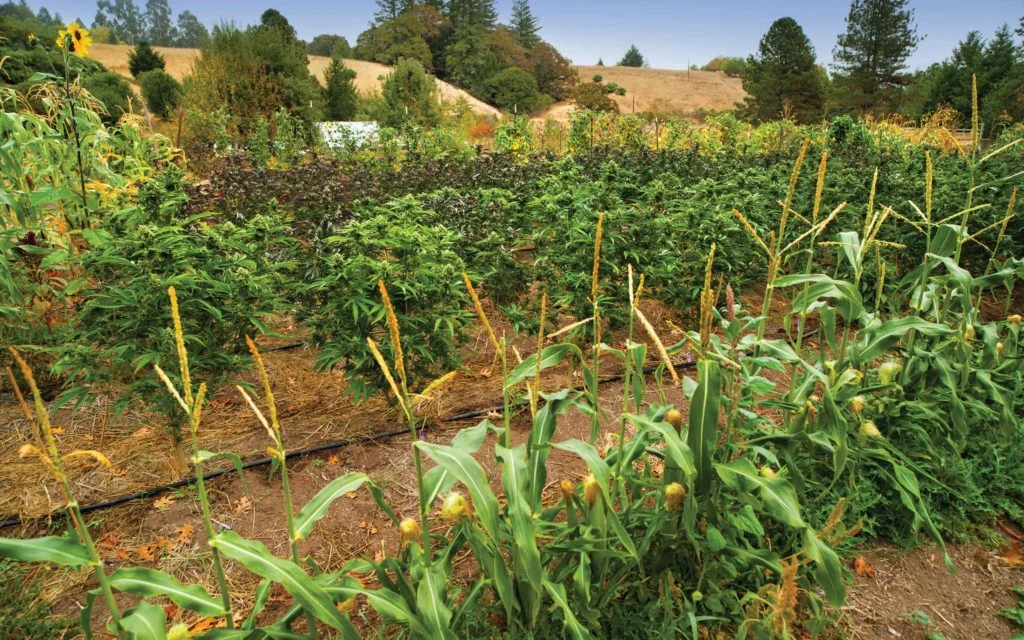
Should you be worried about what you inhale? High times asks this important question in the May 2017 issue in an article called, Tainted: The Problem With Pot And Pesticides. The article is a good read and our very own Andrew Black was interviewed for the story.
Read MoreThe Oregon Health Authority (OHA) is proposing a drastic change to its pesticide residue testing requirements of cannabis concentrates and extracts. The proposed changes may not be so good for consumer health.
Read More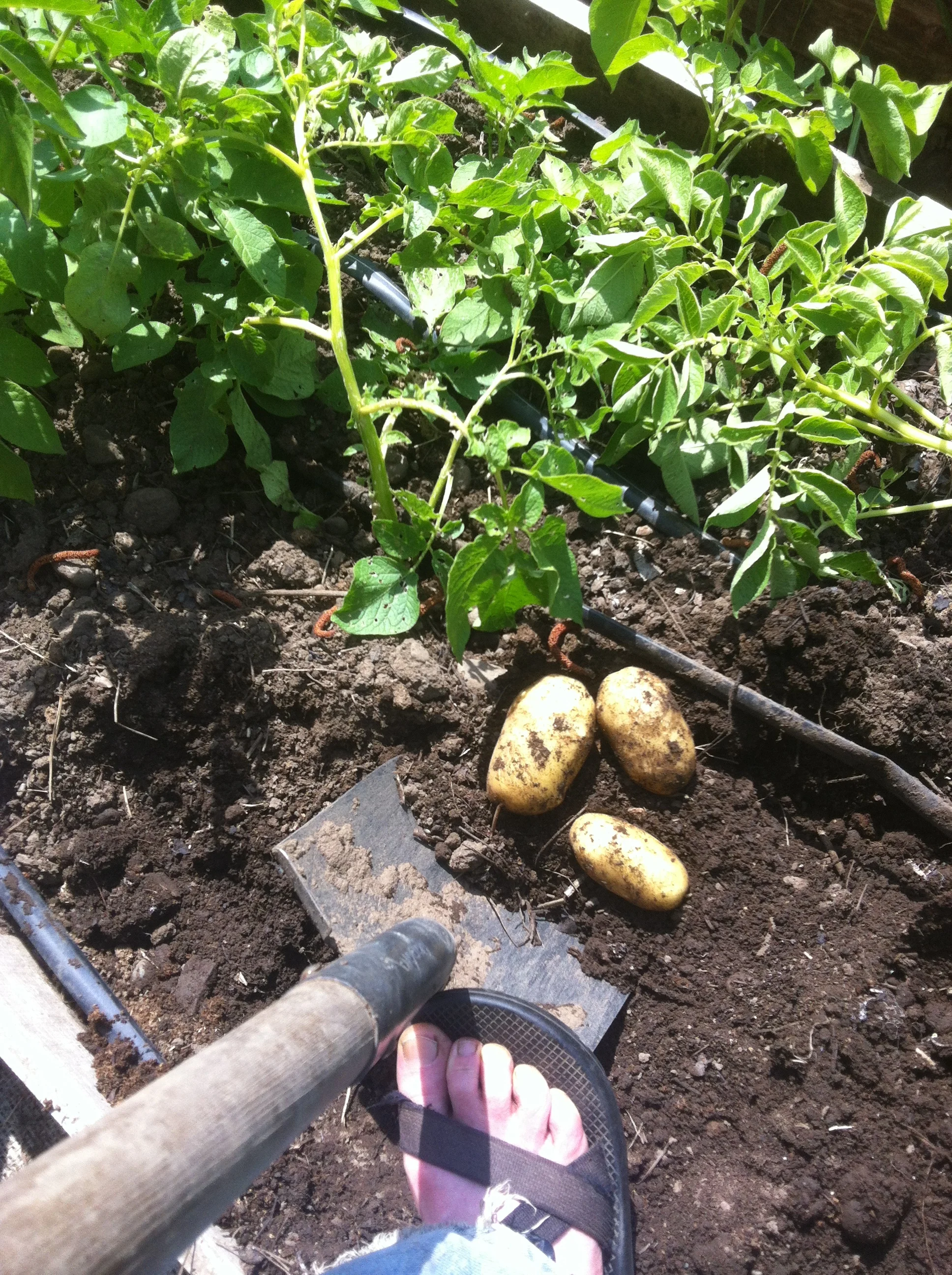
Sometimes it can be tricky determining the optimal application rates for organic fertilizers. This is especially true for a crop like cannabis since there is not much concrete data about what the true nutrient requirements are for the plant. For example...
Read More
Don't let hemp russet mite reduce your yields. Learn how to identify symptoms of leaf and flower damage without using a microscope.
Read MoreDid you know that in 2014 the USDA data on pesticide residue on food revealed 73% of fruit and veggies tested positive for one or more pesticide that wouldn't be allowed on Certified Kind products? Just a heads up, non-organic peaches, nectarines, and strawberries are often contaminated with pesticides that you can't easily wash off. Certified Kind growers control pests using natural methods...
Read More